death Doula & End-of-Life Care
Bringing death back to the village
I support people approaching the end of life, and the families and friends caring for them. As a death doula, I offer a steady presence, help with difficult conversations and practical guidance as people consider what matters to them and how they want to be cared for.
You do not need to wait until someone is dying to get in touch. We can begin with a conversation about your wishes, your concerns or the choices available to you.
my story
In 2014, my family cared for my dad as he died at home. We were able to be with him in a familiar place, surrounded by people who loved him. That experience stayed with me.
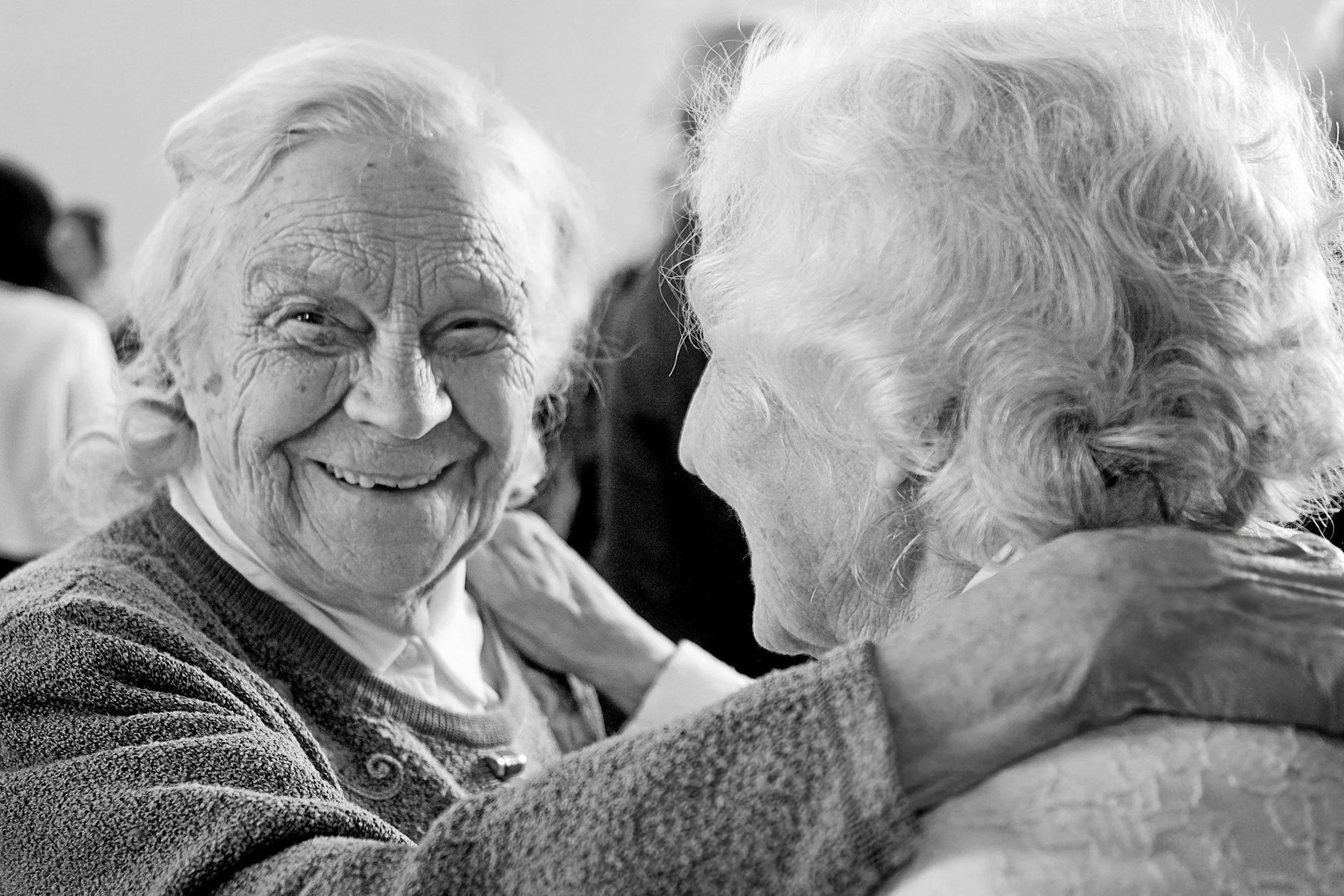
Since Dad’s death, I have been Mum’s primary carer. She moved into residential aged care at 97, and I continue to support her through this stage of her life. Caring for both my parents has shown me how much it matters to listen to the person, honour their wishes and support those close to them.
How I can support you
Dying brings practical questions as well as emotional ones. You may be thinking about where you want to be cared for, who you want around you, what your family needs to know, or how to support someone you love.
I can help you talk through those questions, find information and connect with appropriate services. I also offer companionship and support to people who are dying and to their carers. If you hope to remain at home, we can talk about the support you and the people around you may need.
A death doula works alongside medical and palliative care. My role is to make space for the personal, practical and emotional parts of dying that can be difficult to navigate alone.
care within our communities
Families, friends, neighbours and communities can all have a place in caring for someone who is dying and supporting those who grieve. We do not have to know exactly what to say or do before we show up for one another.
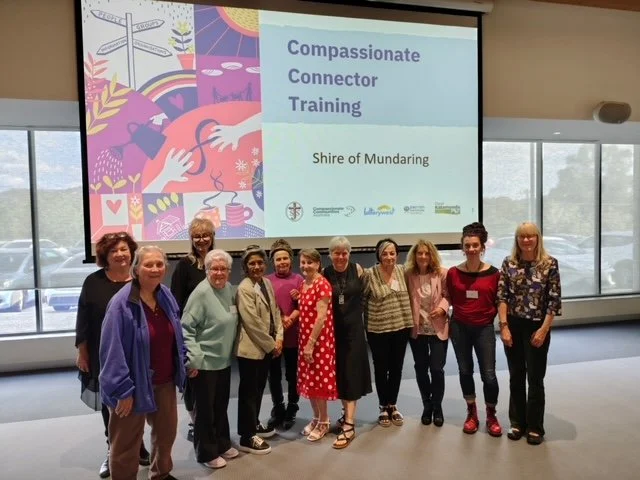
I have completed Compassionate Communities training, which informs how I help people draw on the relationships and support already around them. I can also help you explore end-of-life choices, including planning ahead, care at home, after-death care and ways of saying goodbye.
There is no single right way to approach dying or grief. I will listen to what matters to you and help you consider what feels right for you and your family.
offerings
-
I can support you with:
● Exploring your values, wishes and priorities for the end of life
● Talking through your preferences for care, place of dying and who you would like around you (and not around you)
● Preparing for conversations with loved ones and health professionals
● Exploring what support you may need and who could form part of your circle of care
● Supporting you to connect with appropriate advance care planning resources
I can help you explore your wishes and prepare for these conversations; however I do not complete Advance Health Directives. Palliative Care WA provides free Advance Care Planning education and support, including assistance with Advance Health Directive documentation, and I can connect you with this service. (Palliative Care WA)
-
I can offer:
● One-to-one companionship and emotional support for a person who is dying
● Practical and emotional support for loved ones as they accompany their person
● A calm presence during the final weeks, days or hours, alongside palliative and medical care
● Support to create an environment that feels peaceful, personal and meaningful
● Hold space for difficult conversations, fears, hopes and uncertainty
● Support to help loved ones find meaningful ways to be present and participate in their person’s dying process
My role is not to take the place of family, friends or professional care, but to strengthen the circle of support around the dying person. Sometimes this means sitting with your person who is dying while loved ones rest, take a break or spend time with each other. This can allow a daughter to be a daughter rather than a carer, or a partner to be a partner rather than feeling responsible for providing all the care. For me, this is part of bringing death back to the village – sharing the care so that loved ones can remain connected to the person they love, rather than carrying the responsibility of caregiving alone.
-
This may include:
● Talking through what dying at home might look like for the person and their family
● Helping identify family, friends, neighbours and community members who may be able to offer practical support – for example, walking the dog, rotation of cooking meals or mowing the lawns
● Working alongside the person’s existing palliative care and health professionals
For me, this is part of bringing death back to the village — recognising that caring for someone at the end of life does not have to be carried by one person or left entirely to the healthcare system.
-
I can support you with:
● Understanding what happens immediately after someone dies
● Creating time and space for loved ones to participate in after-death care and say goodbye – for example, washing and dressing your person, shrouding their body in natural cloth, home vigils and sharing personal stories and music
● Exploring personalised farewell options that reflect the wishes, values and personality of your person who has died
● Supporting loved ones to consider how meaningful ritual and ceremony can create connection and community, and be an important part of their grieving process
● Connecting loved ones with appropriate funeral and deathcare providers
Loved ones do not have to rush into funeral arrangements after their person dies. Funeral directors can provide valuable help, but not all aspects of your person’s funeral need be handed over to them. Loved ones can have time, choice and opportunities to participate in after-death care.
Frequently Asked Questions
-
A death doula offers non-medical support to people approaching the end of life and those caring for them. This can include companionship, emotional support, practical guidance and help with planning and conversations about dying.
-
Palliative care includes clinical care, such as managing pain and other symptoms. As a death doula, I work alongside your healthcare team. I do not provide medical treatment, administer medication or replace nursing care.
-
No. You may want to plan ahead, talk about your wishes or understand your options while you are well. You can also contact me when someone you love is ageing, has received a diagnosis or is approaching the end of life.
-
I can help you explore your wishes, identify practical support and connect with appropriate services. Planning for care at home also involves your doctor or palliative care team, who can assess your care needs and explain what arrangements are required.
-
Yes. Caring for someone who is dying can bring uncertainty, exhaustion and difficult decisions. I offer a listening ear, practical guidance and help with conversations, including thinking about what support you need yourself.
-
I can help you talk through your preferences and find information about advance care planning. This might include where you would prefer to receive care and what you want those close to you to know. Medical and legal questions should be discussed with the relevant professionals.
-
No. My support is guided by your beliefs, values and preferences, whether religious, spiritual or neither.
-
You do not need to arrive with answers or be ready to discuss everything. We can begin with whatever is on your mind and take the conversation at your pace.
-
I can help you explore after-death care, rituals and ways of saying goodbye. We can discuss your wishes beforehand and identify the services needed to put those wishes into practice.
-
Get in contact to tell me a little about your situation. We can discuss the support you are looking for, what I can offer and whether you would like to work with me.
Let’s begin with a conversation